While I was a student at Onondaga Community College, I took a course called, “The Split Rock Disaster Honor’s Seminar.” A horrible tragedy occurred in 1918 during WWI.
Syracuse.com History of Split Rock Article
I took part in the execution of planning the 100th Anniversary of the Split Rock Disaster on July 2, 1918. I researched and became familiar with the lives of brave men leading up to this tragic event. I feel like I know them. Through this experience, a select few of us wrote a script for the Split Rock play, which was performed this past May. I was fortunate enough to be the stage manager of this amazing play and help spread awareness to those who may not know of this local disaster. Unfortunately, I was not aware before I took this class, so retelling their story helps us all to remember the profound sacrifice they gave. Too many lost their lives…may they Rest in Peace Forever.
By Your Letters
To the Editor:
We support the inclusion of the 34-acre “Split Rock Unique Area” in the New York state Department of Conservation’s Division of Lands and Forests’ unit management plan, currently under revision by the DEC. The Split Rock Unique Area should be protected by the DEC because it is unique, simple as that. It has ecological and historical significance. The area deserves special protection by the DEC since the threatened plant species, the hart’s tongue fern, is incredibly rare in the United States, found only in a few areas. Since Split Rock is one of those locations, it is essential to preserve the fern’s natural habitat in our community.
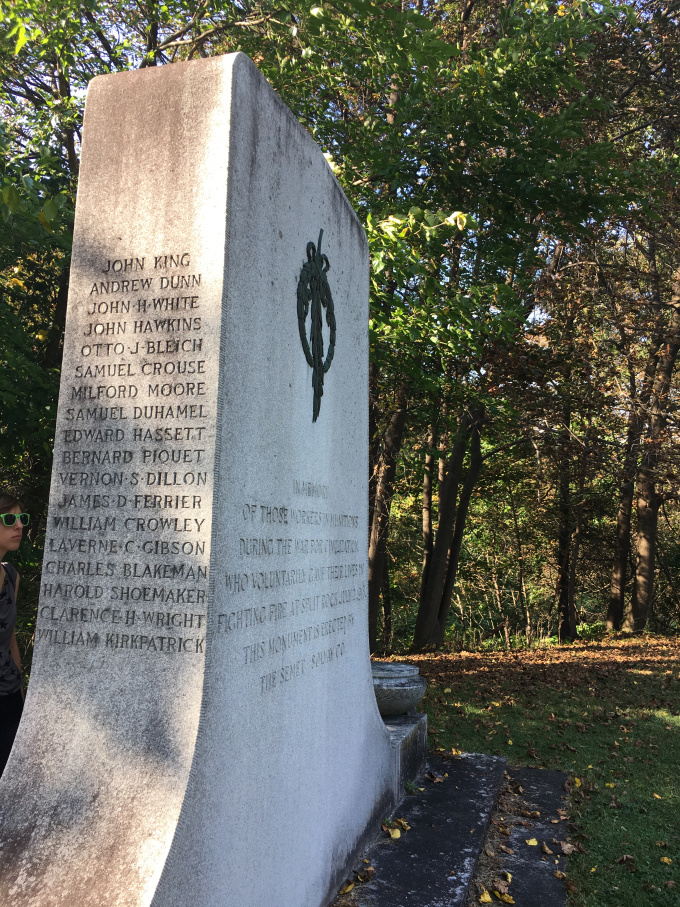
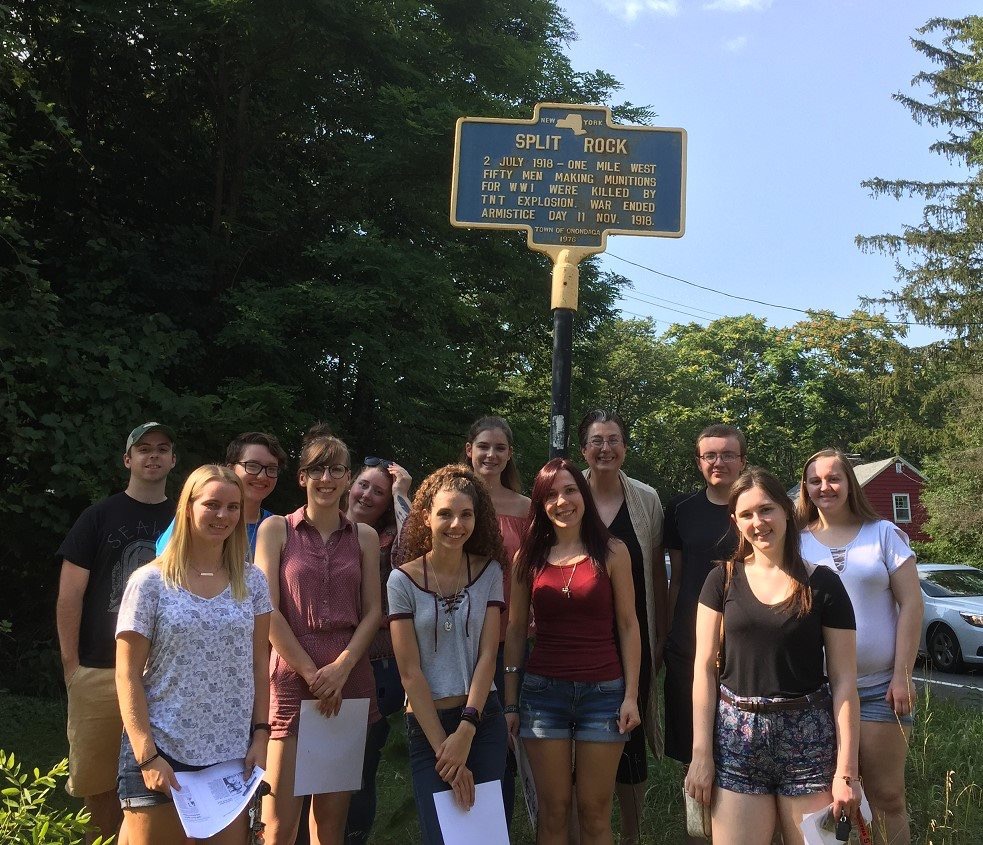
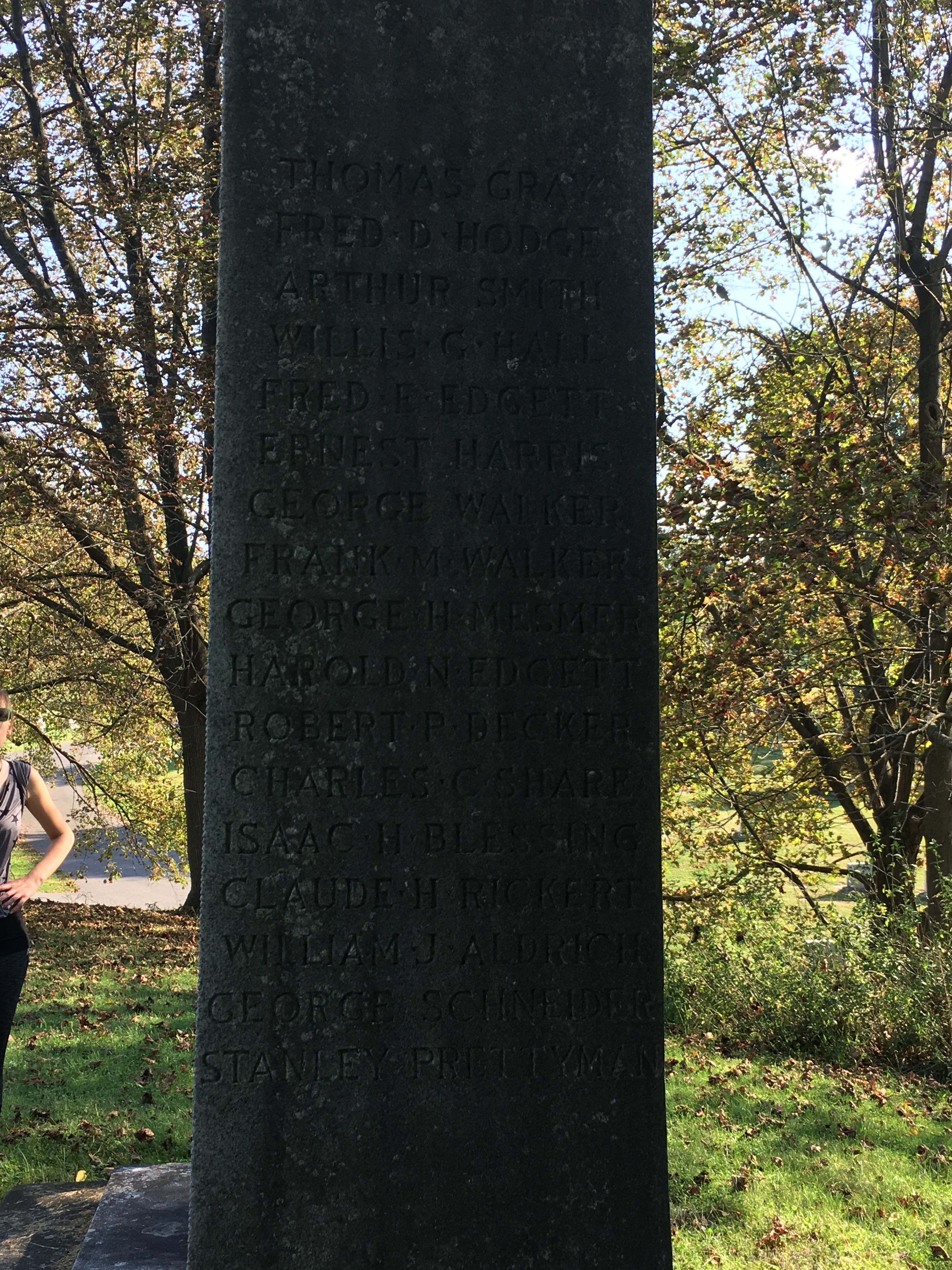
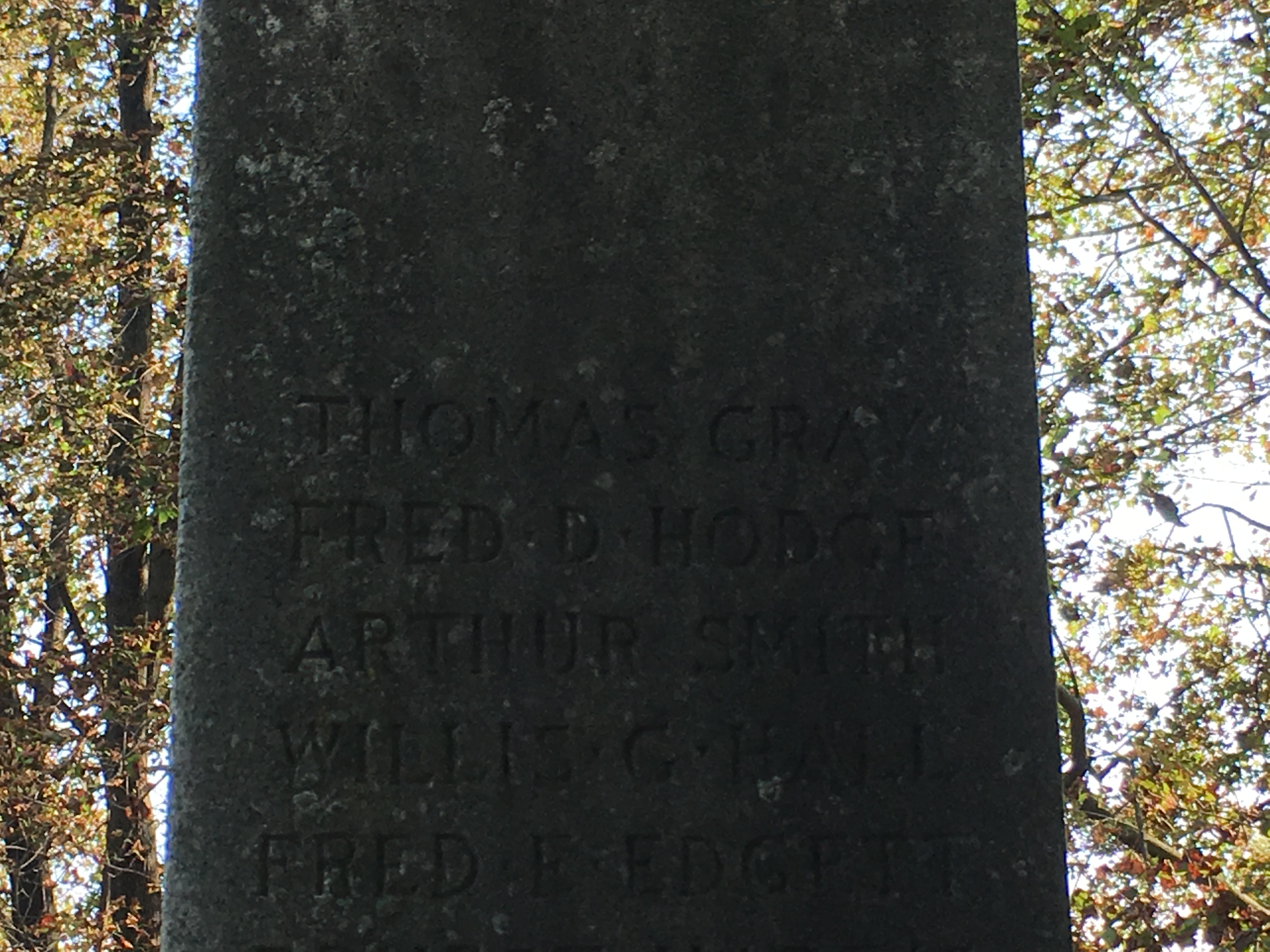
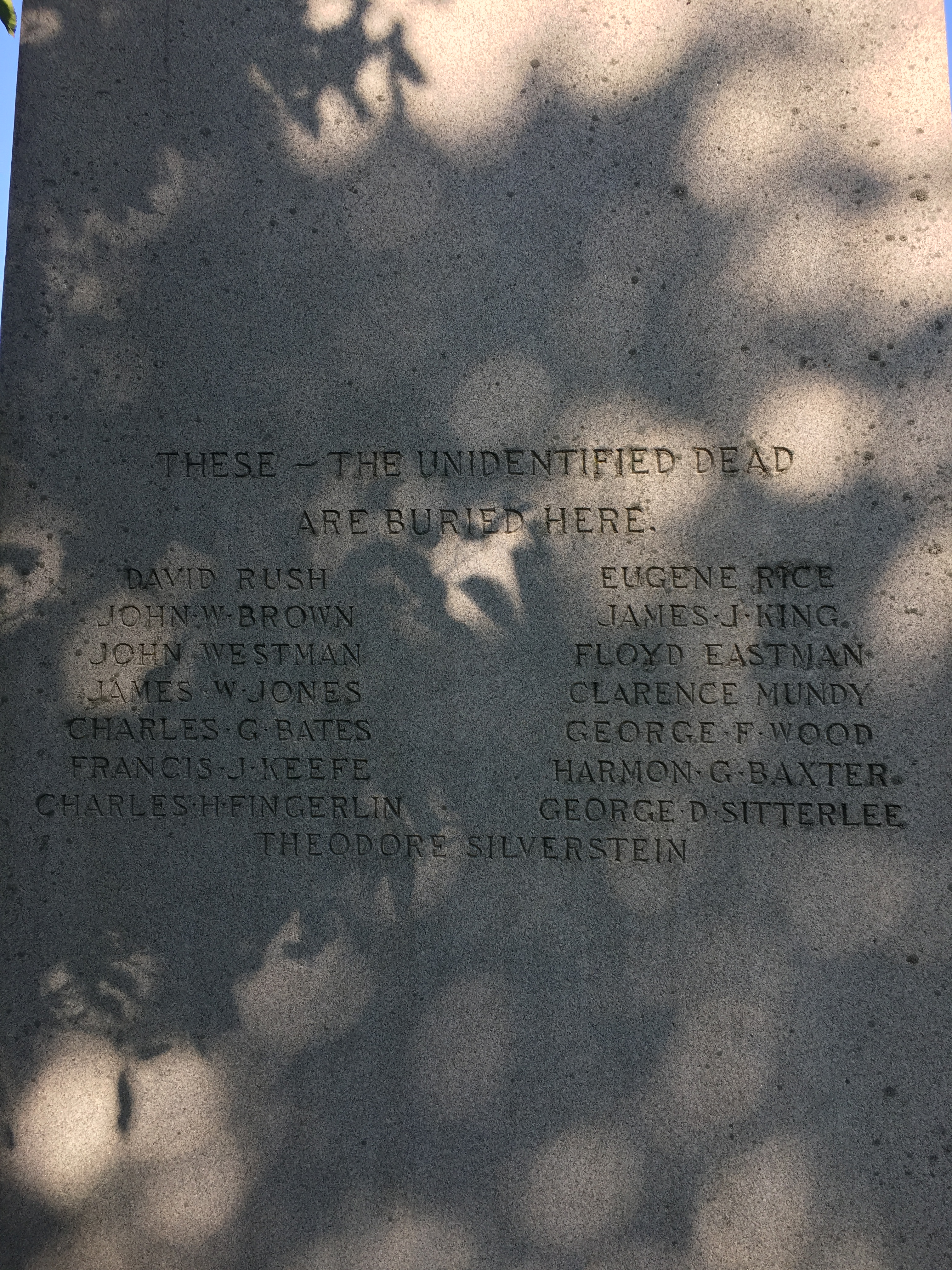
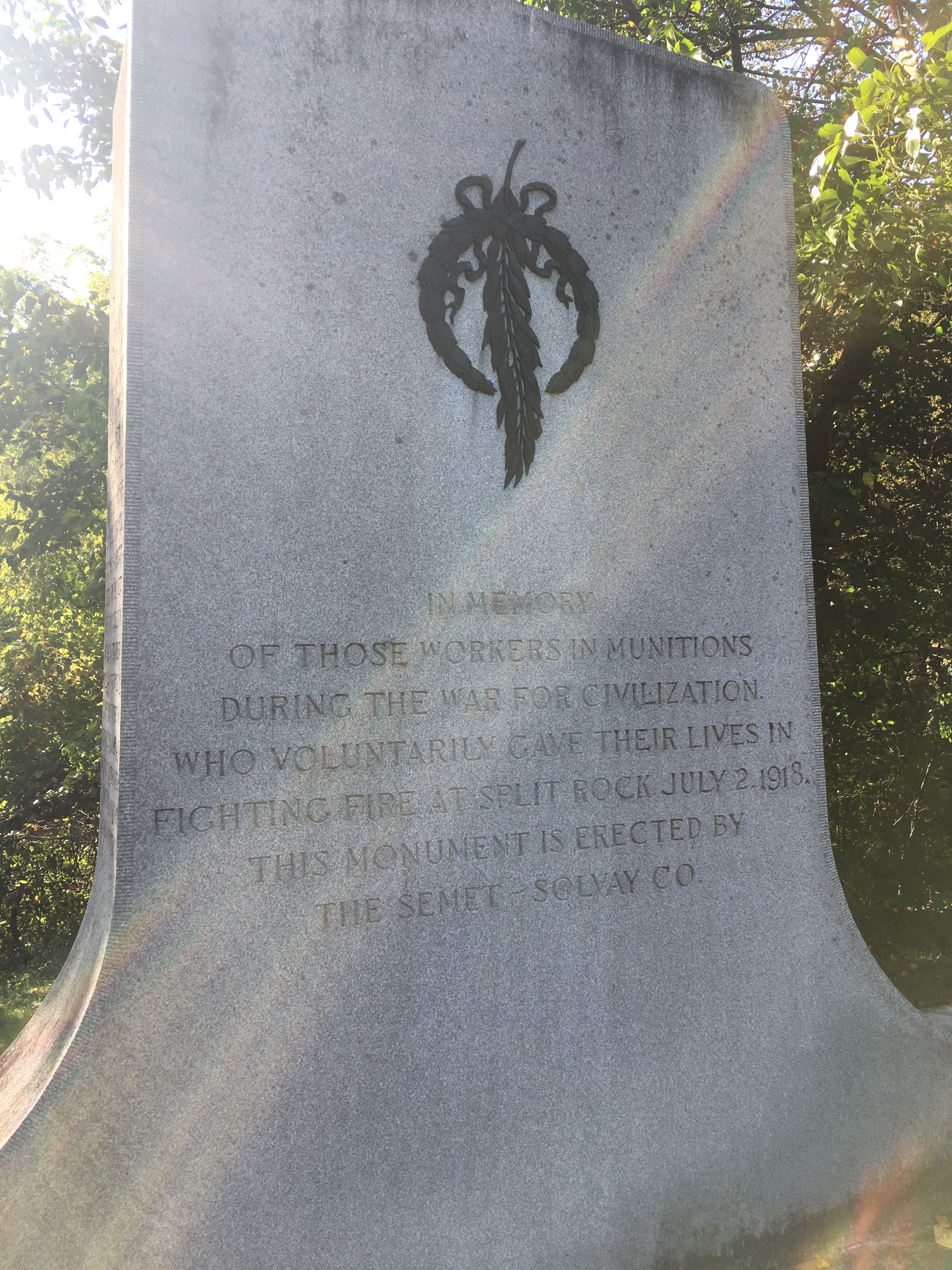
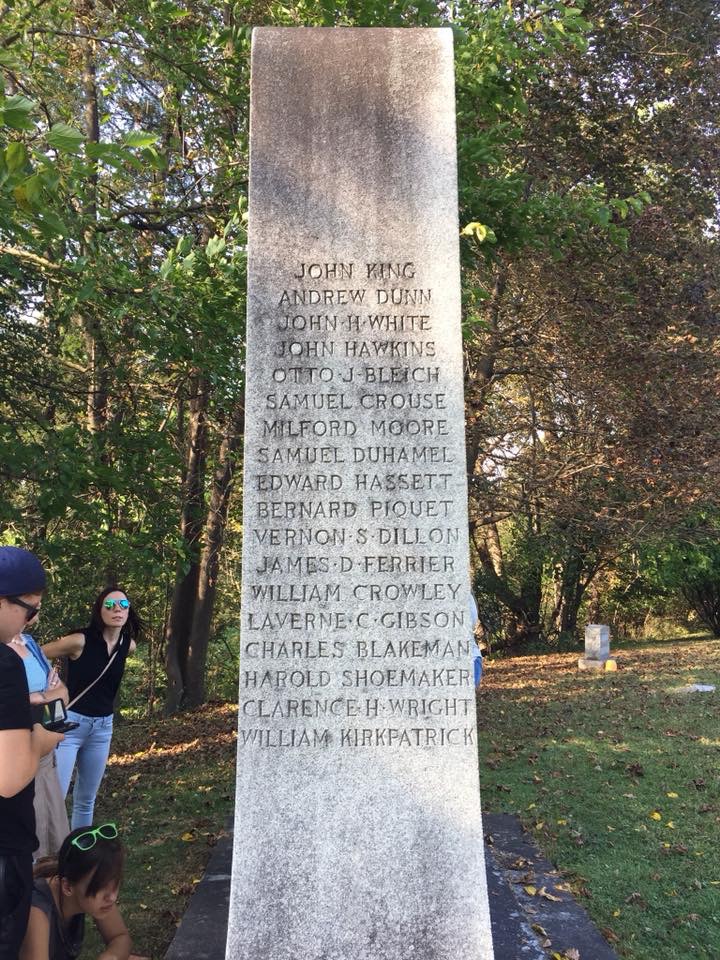
Preserving the Split Rock Unique Area for the protection of the hart’s tongue fern is not the only reason the DEC and other government bodies should safeguard this land. The overall site should be a nature reserve and kept sacred to honor the memory of those who lost their lives in the historic Split Rock Disaster, an explosion that occurred on July 2, 1918, killing 50 men and injuring countless others.
The land in question encompasses the former Split Rock Quarry and site of the former Semet-Solvay Munitions Plant. Part of the Split Rock property is privately owned and part is owned by Onondaga County, while much of the site is owned by the New York State Office of General Services. We call upon the government bodies, particularly the OGS, to use the upcoming 100th anniversary of the explosion to finally turn this abandoned, degraded landscape into something that truly honors the memory of the victims and serves the greater community as a recreational and educational resource.
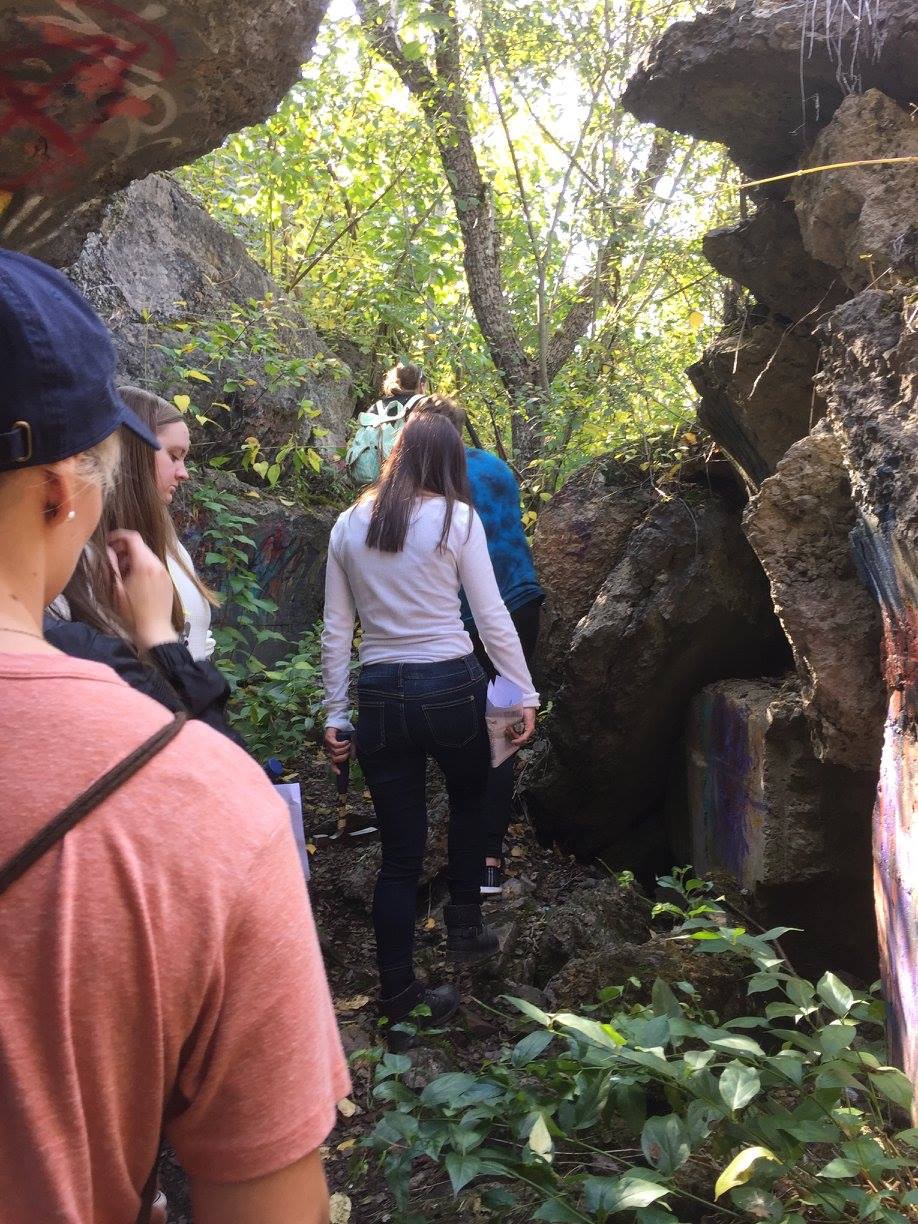
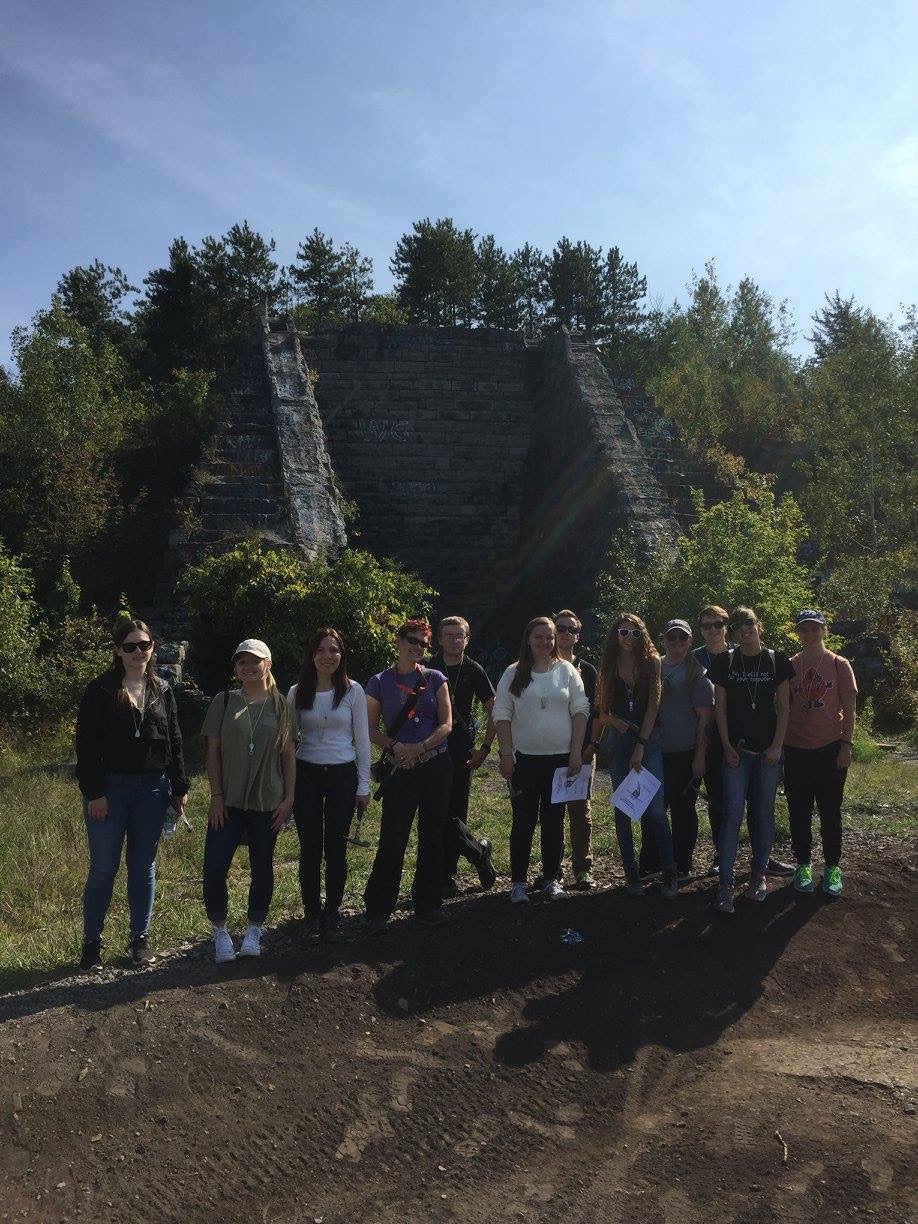
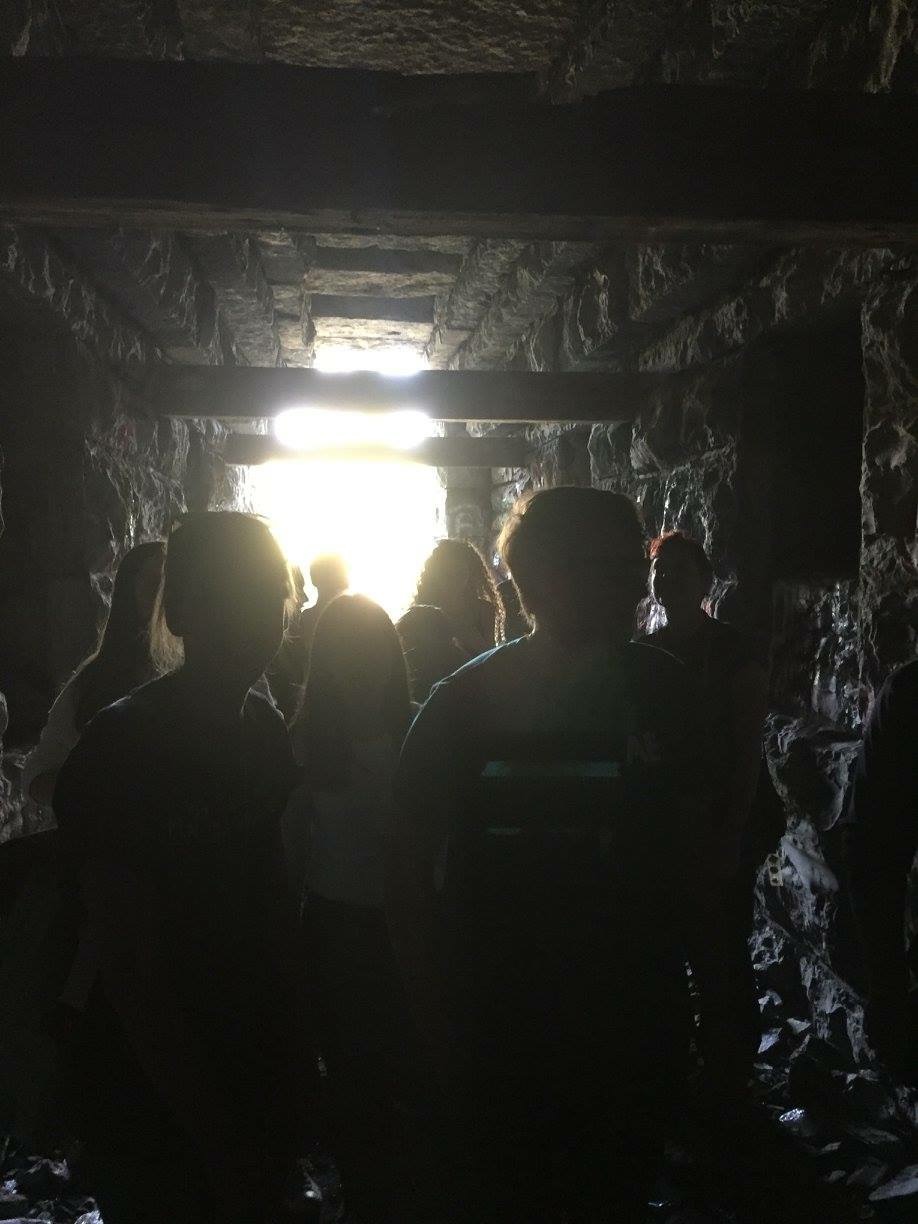
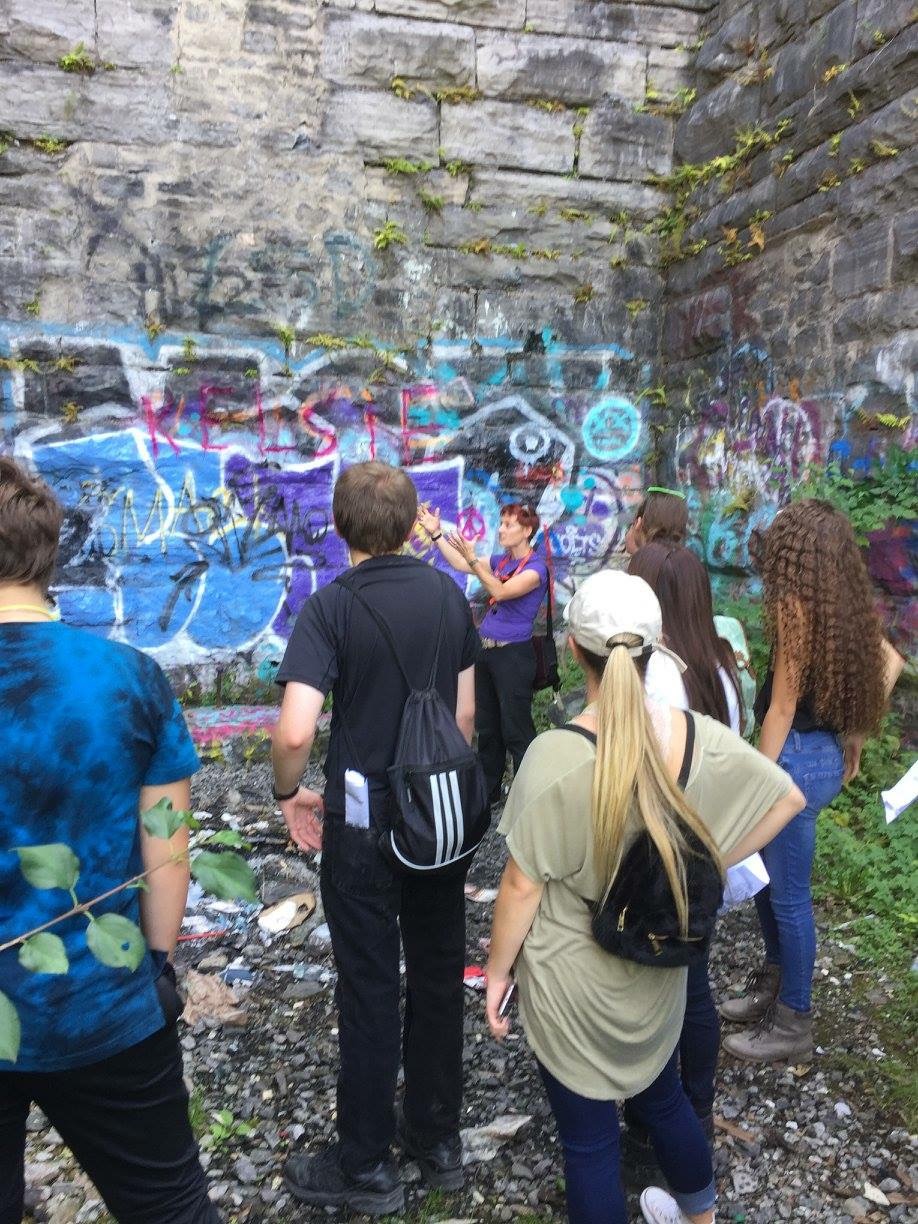
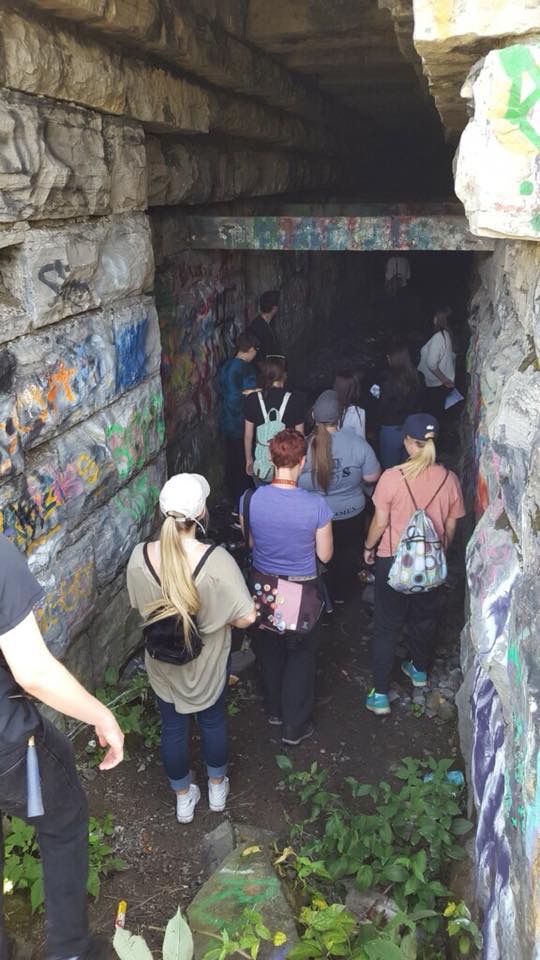
Plans for this site should include cleaning up and preserving the land and the sole remaining structure, the massive rock crusher, which is being sadly abused and defaced by graffiti and other signs of misuse. The rock crusher, a historically significant structure, should be restored and the surrounding landscape conserved, so the location is actually given the respect it deserves as opposed to being covered in weeds, broken glass, trash and graffiti. It is essential that the deterioration of the rock crusher be halted before this unique architectural treasure is totally destroyed. This should be a priority. If people continue to trespass and abuse this special site, we are afraid the Split Rock disaster will become even more forgotten than it already is.
Ideally, the site should be turned into a beautiful memorial park, where members of the community could visit, hike and pay respect to the people who lost their lives trying to support war efforts during World War I. Adequate public access should be provided, including a parking lot constructed near the site, in remembrance of the Split Rock Disaster.
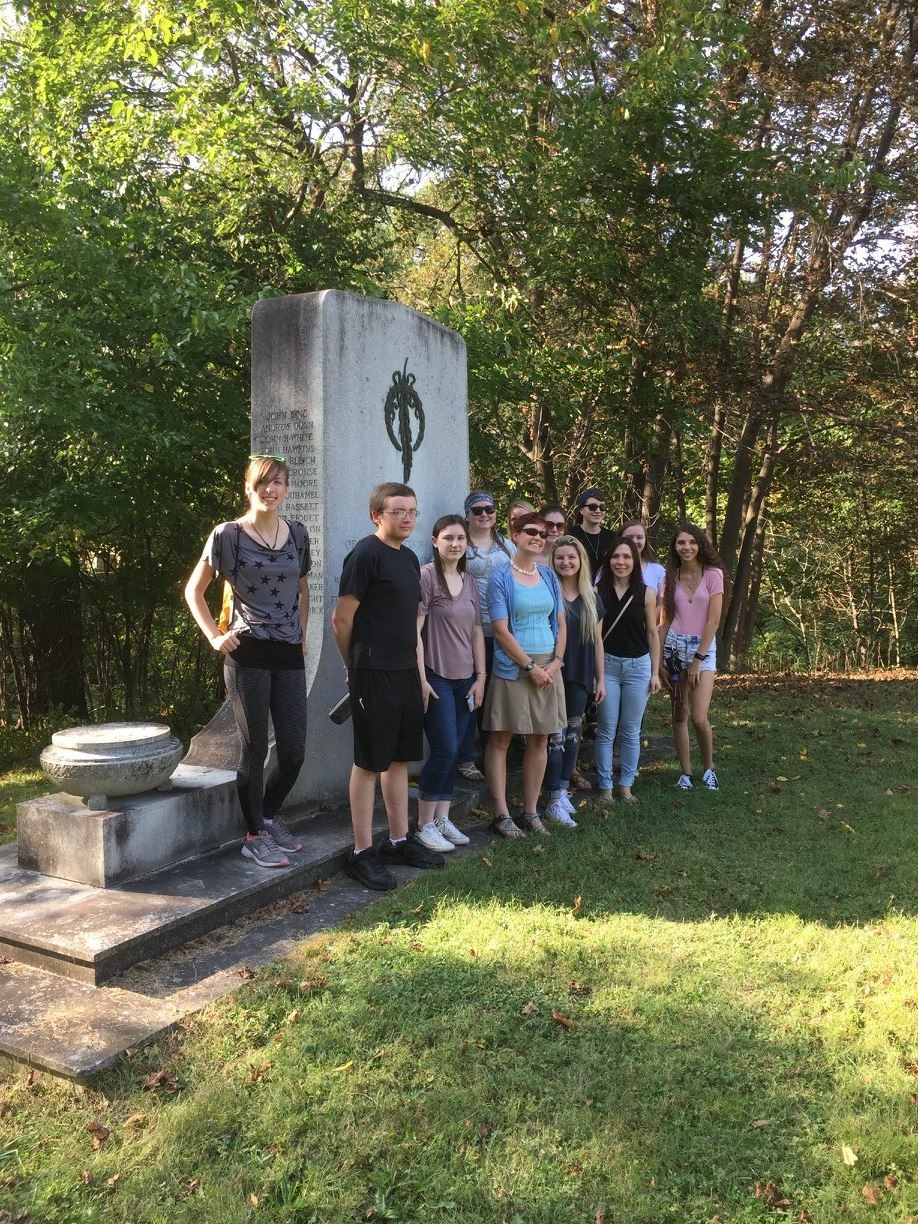
Our long-term vision for the site includes a permanent monument so those who visit the site will know they are on revered grounds. A museum on site could tell the full story of the history of the quarry and the explosion. This could be paired with the nature preserve so that the beauty of the site will be appreciated and enjoyed for years to come. In turn, the ecological value of the hart’s tongue fern would be better understood.
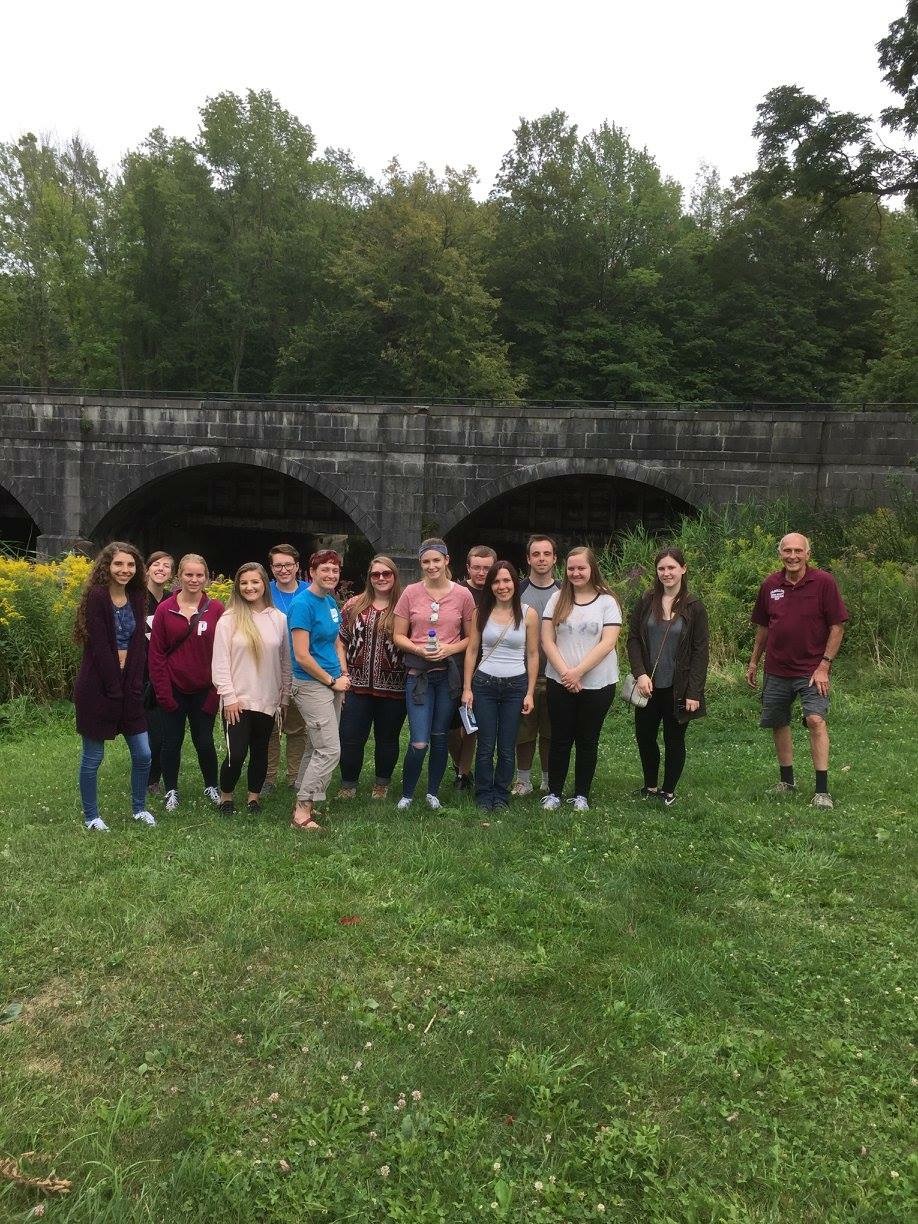
Anything that is part of a historical site should be preserved and kept safe. If the state doesn’t want to provide the funding and care this site deserves, the OGS should transfer the land to a nonprofit historical organization with the goal of properly preserving and respecting the site while sharing its history with others. To see how well this can work out, one needs only to look at the Camillus Erie Canal Park, where a group of individuals used their time and enthusiasm to fix up an important part of this state’s history and did what the government never bothered with.
Protection of the rare plant in the Split Rock Unique Area should be only the first important step.
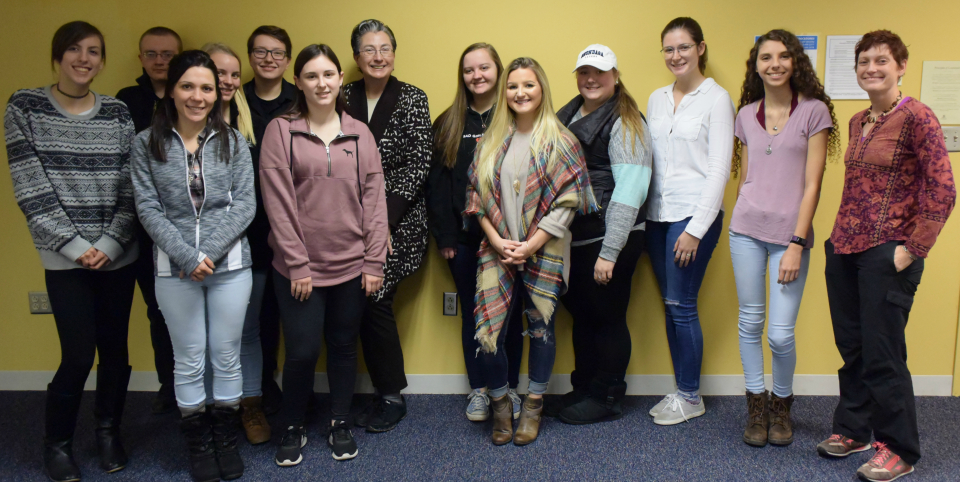
Abigail Amidon, Seth Boyke, Andrea Capodagli, Tara Carr, Nicole Cooney, Alexis Daughton, Flo Downing, Kaitlyn McWhorter, Abigail Moskov, Alec Pileski, Rebecca Sessions, Kyra Spinella
Honors Seminar on the Split Rock Disaster
Onondaga Community College
 SIMPLELANE.LIFE